
AI expert warns of advanced technology misuse in exam cheating
AI expert Heo Seong-beom Horang has called for rigorous countermeasures against exam cheating involving advanced devices like smart glasses, warning that technology is being misused to undermine fair competition.
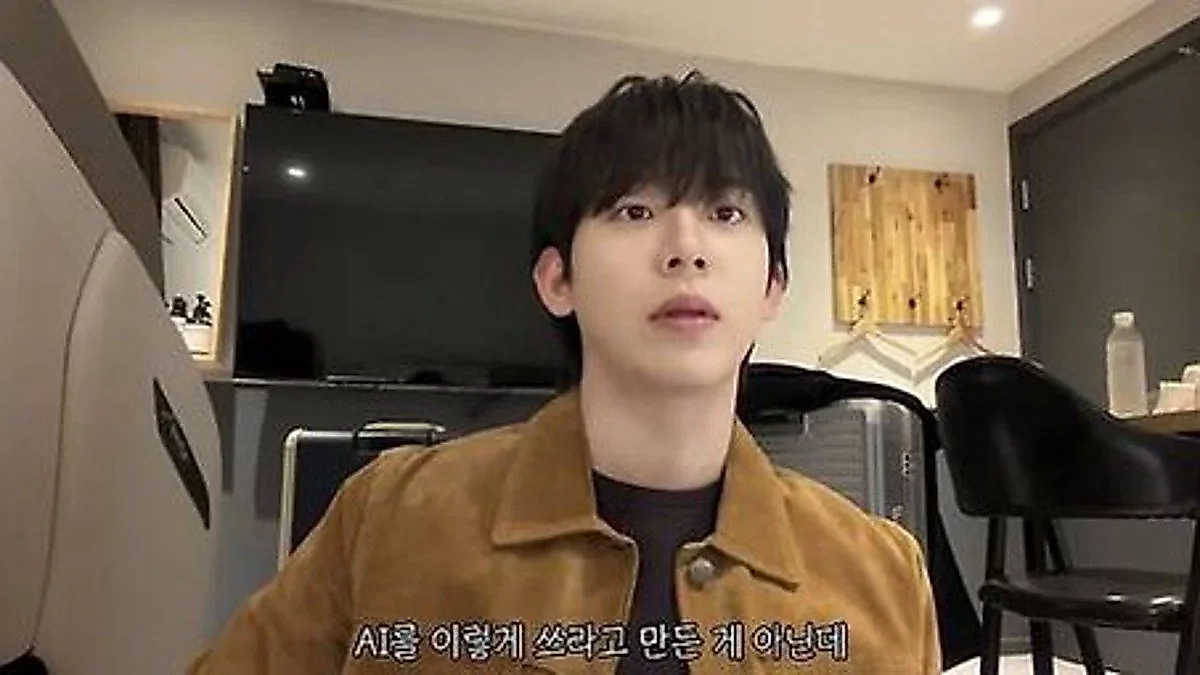
KAIST creator Heo Seong-beom Horang called for stronger countermeasures against sophisticated cheating methods involving smart glasses and micro-earphones on the 16th. Following a top scorer's admission of using smart devices to cheat, Heo suggested using metal detectors and radio wave detectors to protect the fairness of upcoming exams like the College Scholastic Ability Test.
Heo Seong-beom Horang, an artificial intelligence (AI) expert and creator from KAIST, has expressed regret over controversies regarding exam cheating using advanced devices such as smart glasses and called for the establishment of thorough countermeasures. He pointed out that while the speed of technological advancement outpaces social norms and systems, AI is being misused to undermine fair competition, contrary to its original purpose.
In a video titled "AI was not made to be used like this," released on his YouTube channel "Heo Seong-beom Horang" on the 16th, Heo addressed the recent issues of AI and smart device-based cheating. "It is heartbreaking that those who misuse it appear before social guidelines are even established," he said, expressing concern over the impact technology misuse could have on the educational field.
The controversy expanded following the admission by a top scorer of a tax accountant exam that they had used smart devices to cheat. With the possibility of new forms of cheating using advanced devices being raised ahead of the College Scholastic Ability Test, anxiety among examinees and parents is growing. Concerns are rising that existing bans on bringing in electronic devices and visual inspections by supervisors are insufficient to block increasingly sophisticated methods.
Heo emphasized that honest examinees who have prepared diligently must not be victimized by the deviations of a few. "The opportunities of examinees who studied silently should not be taken away because of the misuse by a few," he said, cautioning against proceeding with exams without sufficient measures. He noted that if suspicions of cheating spread, trust in exam results could be shaken, and rightfully hardworking examinees could face disadvantages.
He categorized the operational structure of cheating using advanced devices into three stages: filming, transmitting, and receiving. The method involves filming exam questions using lenses or smart glasses, transmitting them externally via mobile phones or pocket Wi-Fi, and receiving answers through displays or micro-earphones. He analyzed that if each piece of equipment is connected as a single system, information can be exchanged with the outside using devices that appear to be ordinary belongings on the surface.
As a countermeasure, Heo suggested that metal detectors should be utilized thoroughly. He explained that considering the characteristics of electronic devices with built-in batteries, operating metal detectors meticulously may be more effective than relying on thermal imaging cameras. The intent is to include equipment disguised as accessories or glasses, not just electronic devices with distinct appearances like mobile phones, in the inspection targets.
He also stated that management systems inside and outside exam sites must be strengthened. This includes thoroughly checking items not submitted and continuing inspections in spaces outside the exam rooms, such as restrooms and hallways. He proposed alternatives such as deploying radio wave detectors unexpectedly to check for external communication, and conducting forensic investigations of USIM communication records and handwriting traces left on exam papers after the exam ends.
Heo's suggestions stem from the awareness that cheating using advanced technology has reached a level that is difficult to respond to with existing supervision systems. He argued that if exam supervision remains limited to visual checks of examinees and bans on bringing in electronic devices, it will inevitably remain a reactive measure whenever new equipment and methods emerge. He claims a response system that organically combines technical detection, post-exam investigation, and exam site operational guidelines is necessary.
He added a warning not to be tempted by cheating. "Cheating will definitely be caught even if it takes time, so never be tempted," Heo emphasized. He urged examinees, saying, "Adults will find a way, so do not be shaken; I hope you walk your own paths and complete the exam." This was an encouragement so that the controversy and anxiety surrounding advanced technology do not shake the concentration of examinees facing exams.
AI is a technology that can be used to assist human learning and knowledge exploration and to expand creative capabilities. However, if it is misused to undermine the fairness of evaluation or to nullify the efforts of others, the benefits of technological advancement may return to society as social distrust. Heo's remarks are read not as a warning against AI itself, but as a suggestion that human ethics in using technology and the social norms to manage it must develop together. The institutional supplementation to protect a fair evaluation environment in various exams, including the College Scholastic Ability Test, has emerged as an urgent task.
Lee Chang-seok is the CEO and editor of Mediafine and writes for Mediafine Global, mainly covering K-Variety and also writing on K-pop, Celebrity and K-drama.
Comments 0
Comments are currently disabled.