
Hwang Shin-hye Refuses Life-Sustaining Treatment, "I Don't Want to Burden My Daughter"
Actress Hwang Shin-hye reveals her decision to register an advance directive for life-sustaining treatment to avoid placing the burden of difficult medical decisions on her daughter, Lee Jin-yi, following her mother's experience with illness.
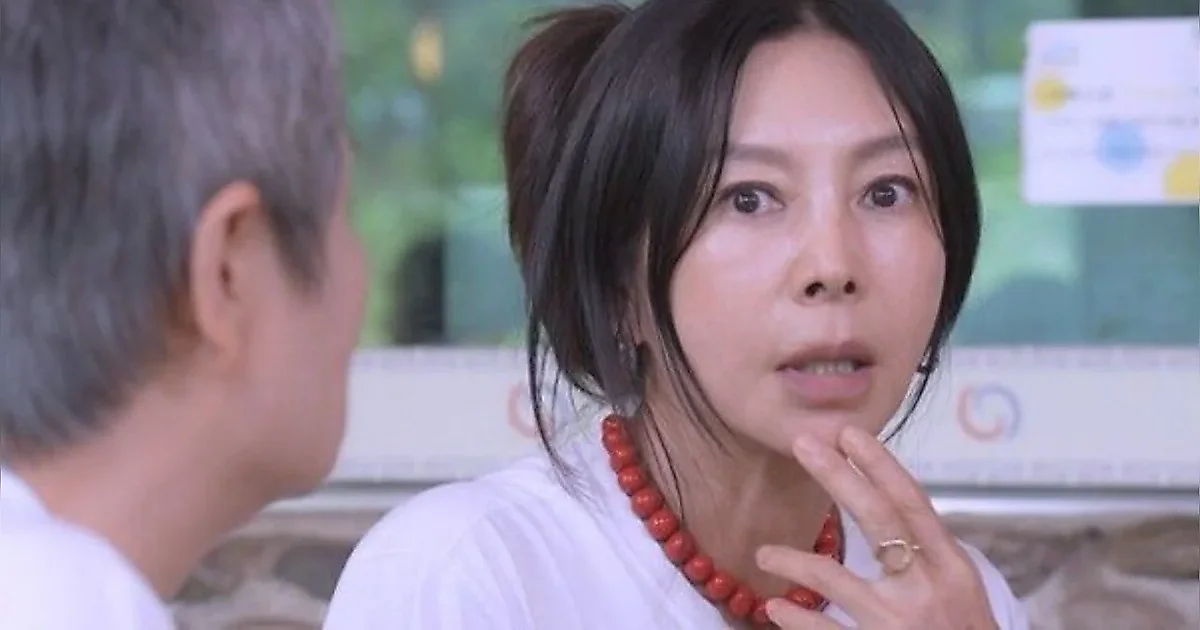
Actress Hwang Shin-hye reveals the reason why she is preparing for her final moments on her own. Having closely observed her mother's battle with illness, she has long contemplated life-sustaining treatment, and has decided to register an advance directive for life-sustaining treatment because she does not want to leave the burden of choice to her daughter, Lee Jin-yi, in a situation where she can no longer express her own will.
In the broadcast of KBS 1TV 'Let's Live Together with Hwang Shin-hye' airing at 7:40 PM on the 7th, Hwang Shin-hye, Yang Jung-a, and Shin Gye Suk share stories about health, aging, and death, which comes to everyone. The conversation, which starts from everyday topics such as menopause and health management, is expected to lead into thoughts on family illness experiences and life-sustaining treatment, providing a look into the life philosophies of the three women.
On this day, Shin Gye Suk begins by sharing her health concerns. Revealing that she has a family history of diabetes and hyperlipidemia, she confesses that she has postponed a colonoscopy for over 10 years. She speaks honestly about the realistic struggle of knowing the importance of health checkups as she ages, yet procrastinating when faced with the actual examination.
Yang Jung-a also reveals that she is currently going through menopause. In response, Hwang Shin-hye says she passed through menopause without feeling any significant symptoms. The secret she cites is consistent exercise. Hwang Shin-hye explains that she has continued exercising since her 20s, and the habit of managing her body for a long time has influenced her current health.
The talk about health naturally leads to memories of Hwang Shin-hye's mother. Hwang Shin-hye brings up the story of her mother, who underwent stomach cancer surgery seven years ago, and looks back on the time the family went through. In particular, as she conveys the fact that her mother had the mindset of not wanting to be a burden to her family, she reveals that the family's experience with illness had a significant influence on her current thoughts.
At that time, it is said that Hwang Shin-hye's mother gave 10 million won she had saved to her family. It was intended to be used for surgery and nursing costs. Her mother's heart of not wanting to cause a burden to her family left a strong impression on Hwang Shin-hye, and after time passed, it remained an important memory in the process of Hwang Shin-hye thinking about her own old age and final moments.
Afterward, the conversation among the three deepens into the issue of life-sustaining treatment. Hwang Shin-hye says she has been interested for a long time in an advance directive, which allows one to state their intention in advance not to receive life-sustaining treatment during the dying process. An advance directive is a system where one's intentions regarding life-sustaining treatment are documented in advance for when they enter the dying process in the future. It is used by people who want to decide their intentions in advance, in that it can relieve the burden on family members who must make difficult decisions on behalf of an unconscious person.
It is reported that Hwang Shin-hye's mother also expressed her intention not to receive life-sustaining treatment and completed the relevant registration. Having witnessed her mother's choice, Hwang Shin-hye also came to think about her own end, and eventually decided to prepare for her own end in her own way. Rather than simply meaning preparing for death, the intention is to leave her will clearly in advance so as not to pass the burden of decision-making to her family.
In particular, the desire for her daughter Lee Jin-yi played a large role in Hwang Shin-hye's decision to register the advance directive. She expresses the thought that she does not want her daughter, who will be left behind, to shoulder a difficult decision when she reaches a situation where she cannot properly express her will. It is not a story about wanting to avoid death, but about wanting to clearly convey her will to her family until her final moment.
In the broadcast, the scene where Hwang Shin-hye directly informs her daughter Lee Jin-yi of her decision will also be revealed. As a mother and daughter directly share stories about death, which are difficult to bring up in daily life, the program is expected to lead beyond a simple introduction of the life-sustaining treatment system into a conversation about the meaning of family and how to prepare for the end of life.
How one meets death, which comes to everyone someday, is ultimately connected to the question of how to wrap up one's life. For Hwang Shin-hye, her mother's illness and choice became the catalyst for her to think about her own end, and now it has led to the choice of not leaving the same concern to her daughter. The reason why actress Hwang Shin-hye, who has watched over her family for a long time, seeks to prepare for her own final moments is revealed through this broadcast.
Lee Chang-seok is the CEO and editor of Mediafine and writes for Mediafine Global, mainly covering K-Variety and also writing on K-pop, Celebrity and K-drama.


Comments 0
Comments are currently disabled.