'Kim Bujang' So Ji-sub, From Ajeossi to Dad: The Face of Unfamiliar Fatherhood
So Ji-sub discusses SBS drama Kim Bujang, his first awkward step into fatherhood onscreen, marriage, daily routines, and acting beyond his old image.
Actor So Ji-sub is stepping away from the masculine image that has defined him for many years and is now testing a new acting identity: that of a father. For an actor who built a distinctive personal brand through action, melodrama, and genre works, often marked by lonely charisma and restrained emotion, the role of a dad in Kim Bujang is being read as more than a simple change of character. It suggests a new turning point in his career.
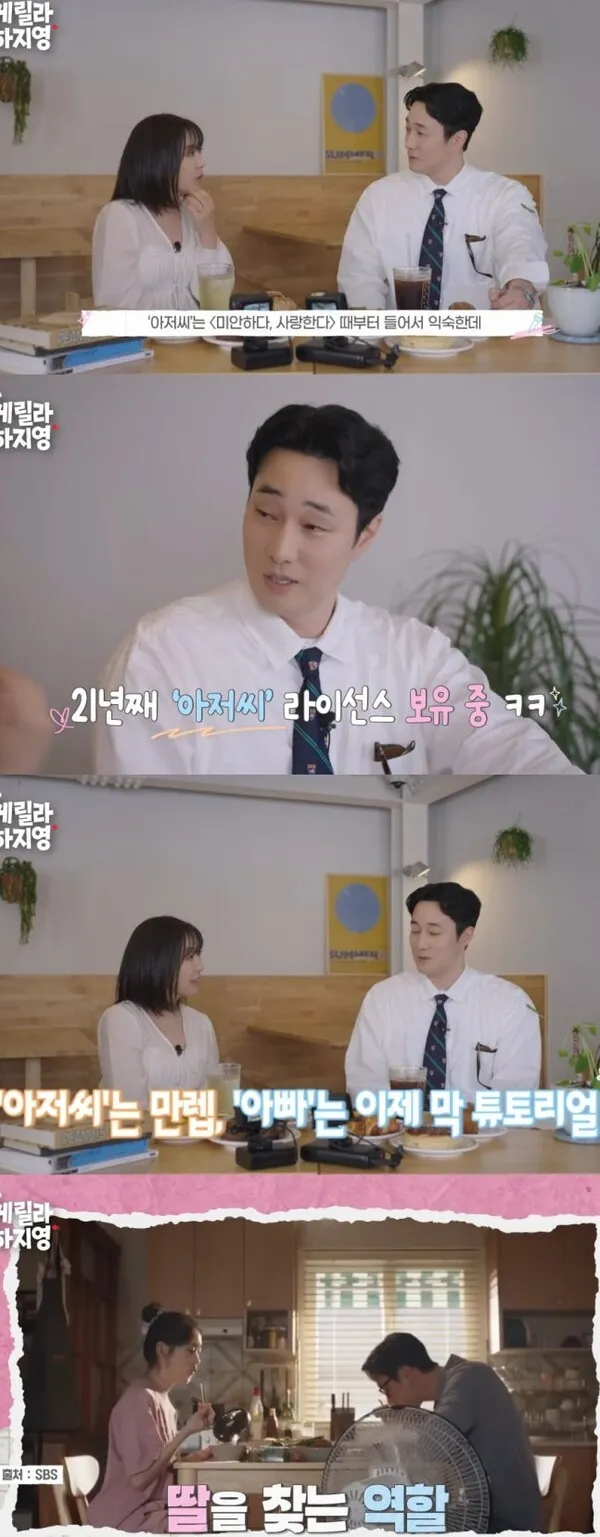
On July 1, So Ji-sub appeared on the YouTube channel YouTube Ha Ji-young and shared a range of stories related to the SBS Friday-Saturday drama Kim Bujang. During the broadcast, he spoke not only about his role in the series but also about how his daily life has changed after marriage, and about the concerns he has felt while accepting a new kind of character as an actor.
Kim Bujang, in which So Ji-sub is currently appearing, is a revenge action drama about an ordinary head of household who is pushed into extreme circumstances while trying to recover his only daughter. Rather than presenting a simple action narrative, the drama explores how far one person can change within the network of family relationships. In doing so, it combines the genre pleasure of a conventional revenge drama with the emotional texture of a family story.
In the drama, So Ji-sub plays a father with a daughter in high school. The role differs substantially from the image he has built over the years. In past works, including I'm Sorry, I Love You, he became etched in the public memory through characters defined by wounds and loneliness, figures who held back their emotions, and men with powerful charisma.
What this work demands from him, however, is not force or cold composure, but protection, responsibility, and instinctive affection toward family. In other words, he is not being asked to express the story of a strong man in itself, but the inner life of a man who has someone he must protect.
So Ji-sub also acknowledged how unfamiliar that shift felt. He said, "I was personally curious about So Ji-sub acting that kind of image. It is a first for me as well," revealing both curiosity and pressure about taking on a new character.
His comment, "I have heard the word ajeossi since I'm Sorry, I Love You, so I am used to it. But dad feels awkward," is especially meaningful. In popular culture, the title ajeossi has long been connected to the image of actor So Ji-sub. The word dad, however, carries an entirely different symbolism.
If ajeossi suggests an independent and solitary masculinity, dad implies relationship, responsibility, and sacrifice. It points to someone who must perform his role within the community of family before his own feelings or choices. The awkwardness So Ji-sub described can therefore be seen not simply as an acting adjustment, but as the collision between an image an actor has built over a long period and a new narrative he is now entering.
For an actor, portraying fatherhood does not merely mean showing that time has passed or that he has grown older. It is an expansion of a character's interior life and a change in emotional expression. It is the process by which an actor who once portrayed love and hurt in youth comes, over time, to express more complex human emotions such as responsibility, protection, loss, and sacrifice.
Outside the drama, So Ji-sub also revealed a more relaxed and realistic side of himself. Asked about housework, he answered, "When I have time, I do various kinds of work around the house." Speaking about cooking, he added, "I can make almost all basic dishes. If there is something I do not know, I can watch YouTube."
He also described his everyday habit of eating alone. "I often eat alone," he said, adding that he feels no awkwardness at all about going to a meat restaurant by himself and grilling meat on his own.
These details narrow the gap between the star image remembered by the public and So Ji-sub as an actual person. They show that although he exists under a bright spotlight as an actor, he is also someone living an ordinary daily life.
So Ji-sub married former announcer Jo Eun-jung in 2020. She is 17 years younger than him. The couple currently has no children. Even so, through this work, he is building the emotion of fatherhood not from direct personal experience, but through imagination, observation, and an actor's interpretation.
Acting, in the end, is not simply the reproduction of one's own experience. It is an expanded human inquiry that understands and expresses the lives and emotions of others. In that sense, So Ji-sub's fatherhood performance in Kim Bujang can be described as more than a transformation. It is a process of reconstructing the time he has accumulated over more than 20 years as an actor into a new emotional language.
He is an actor familiar with being called ajeossi, but still unfamiliar with the name dad. Yet that very unfamiliarity may be the point that proves So Ji-sub is moving into a new world of acting.
Related articles