
Fandoms and petitioners demand halt to Doctor X: Age of the White Mafia
Controversy is mounting over the SBS drama 'Doctor X: Age of the White Mafia' following its inclusion of the May 18 Democratization Movement, leading to a National Assembly petition for broadcast suspension and a formal statement from fans demanding explanations from the production team.
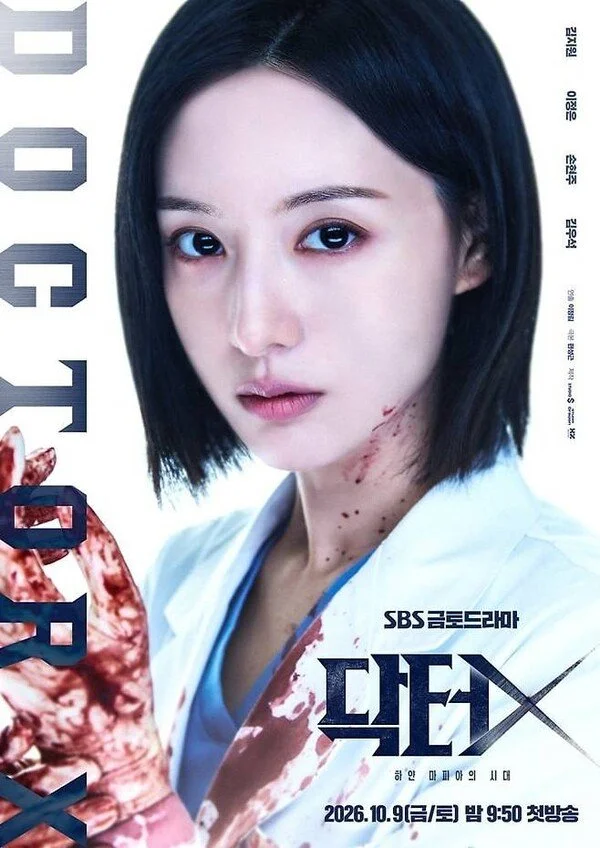
Following the May 24 broadcast of the sixth episode, fans and a National Assembly petitioner are demanding a suspension of the SBS drama 'Doctor X: Age of the White Mafia' due to its inclusion of May 18 Democratization Movement content. The controversy centers on the sudden shift from medical narratives to historical tragedy and changes to the protagonist Gye Su-jeong's character.
Controversy is spreading over the SBS Friday-Saturday drama 'Doctor X: Age of the White Mafia' after it incorporated the May 18 Democratization Movement into its plot development. Following a petition submitted to the National Assembly demanding the suspension of the broadcast, some fandoms have also released a statement calling for specific explanations from the production team. The debate is becoming increasingly complex as it targets not only the portrayal of the historical event but also changes in the protagonist's character and the connection to the existing medical narrative.
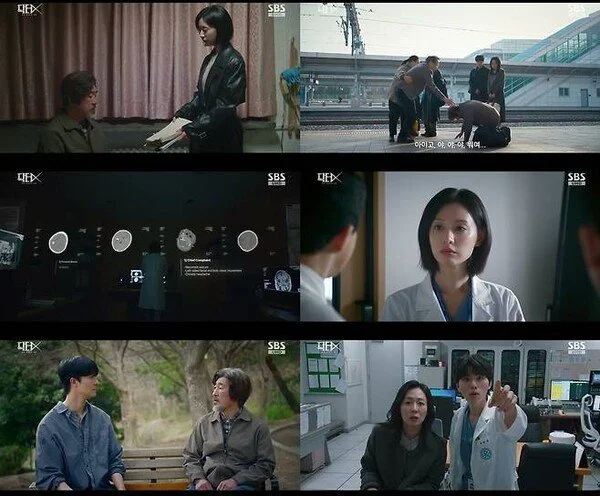
On the 25th, certain fandoms issued a statement demanding a specific and responsible response from the production team regarding the background of choosing the May 18 Democratization Movement as a subject and the subsequent adaptation and directing processes. The issues were raised regarding the sixth episode broadcast on the 24th, which featured Oh Sang-beom, who suffered a gunshot wound during the May 18 period, and a fictional former president, Ji Du-seok. The fandom questioned whether the method of combining historical subject matter with a medical drama secured sufficient persuasiveness within the flow of the story.
In particular, it has been evaluated that the story, which focused on patient treatment, surgeries, and the internal power structures of the hospital from episodes 1 through 5, changed significantly in episode 6. The fandom argues that an explanation is needed regarding how the development, which brought a historical event to the forefront, connects closely to the original direction of the work for viewers who expected the protagonist's activities in confronting injustices in the medical field. The intent is to examine not just the use of sensitive material, but what function that material performs within the overall narrative of the work.
The character development of the protagonist Gye Su-jeong (played by Kim Ji-won) was also pointed out in the statement. The fandom questioned whether the process in which a character, who had maintained medical judgments with a dry and direct attitude, became the center of emotional conflict in episode 6 was natural. They argued that if the established personality and principles of action change without sufficient narrative connection, the unique charm of the protagonist and the consistency of the work could be weakened.
Concerns were also raised regarding the method of reproducing historical facts. The statement noted that depictions such as helicopter gunfire during the May 18 period could evoke painful memories for survivors and bereaved families. The core issue is whether, when utilizing a historical tragedy as drama material, sufficient review was conducted regarding the facts and the method of reproduction to ensure the expressions are acceptable to actual victims and bereaved families, rather than just for dramatic effect.
The fandom demanded clear explanations from the production team on three specific points: first, the reason for featuring the May 18 Democratization Movement and a fictional former president, and the role such settings play in the medical narrative; second, an explanation of how Gye Su-jeong's changed emotional expressions in episode 6 connect to her existing character; and third, whether any prior review was conducted to consider the impact on survivors and bereaved families when reproducing historical facts.
However, the statement clarified that it does not oppose the use of historical subject matter itself or preemptively assume the political intentions of the production team. The core of the controversy is not merely the fact that a specific event was handled, but whether there is sufficient explanation regarding how that choice meshes with the work's narrative and how historical memory is reproduced. The fandom emphasized that these are legitimate questions that viewers may raise.
A separate petition to the National Assembly of the Republic of Korea demanding the suspension of the broadcast has also been filed. The petitioner took issue with the insertion of May 18-related content that has an unclear direct relevance to the development of a medical drama, claiming it is difficult to understand the reason for utilizing a matter involving political controversy in the drama. Furthermore, the petitioner urged the suspension of the drama's broadcast and the verification of the production process through the summoning of the production team as witnesses to the National Assembly. These are the claims of the petitioner, and the raised demands do not immediately prove any illegality or political bias of the production team.
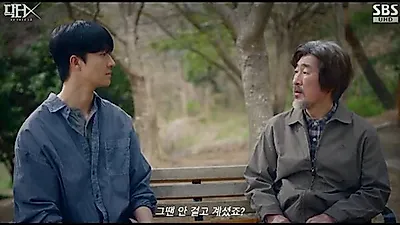
In the sixth episode of 'Doctor X: Age of the White Mafia' broadcast on the 24th, the story of Oh Sang-beom (played by Ha Sung-kwan), who sustained a gunshot wound to the head during the May 18 Democratization Movement, was depicted. Oh Sang-beom was portrayed as a character who continues to suffer from pain and hallucinations, and the broadcast evoked the wounds left by historical tragedy through individual suffering. As the composition involving the victim's story and a fictional former president converged, the work moved beyond medical field conflicts to draw issues of historical memory and responsibility into its narrative.
Attention was also drawn to the fact that following the broadcast, Lee Ok-gyu, the Studio S Chief Producer (CP) overseeing the work, posted the phrase "NO FEAR" along with a drama poster on personal social media. While the post drew various interpretations coinciding with the onset of the controversy, it has not been confirmed what specific meaning the CP intended with the phrase. Therefore, it is difficult to conclude the intentions of the production team or their official position on the controversy based solely on the post.
'Doctor X: Age of the White Mafia' is a medical noir depicting the process of Gye Su-jeong, who possesses genius surgical skills, confronting injustices within the hospital and massive powers. This controversy simultaneously asks how historical events should be reproduced in popular culture, whether sensitive subject matter is organically combined with the themes of the work, and how responsibility toward viewers and historical victims should be considered. Attention is focused on what explanations the production team will provide in response to the questions raised by the fandom statement and the National Assembly petition.
Lee Chang-seok is the CEO and editor of Mediafine and writes for Mediafine Global, mainly covering K-Variety and also writing on K-pop, Celebrity and K-drama.


Comments 0
Comments are currently disabled.