
Forensic expert analyzes sudden acceleration in Kim Joo-hyuk's fatal crash
Forensic expert Yoo Seong-ho has analyzed the circumstances surrounding the 2017 fatal traffic accident of actor Kim Joo-hyuk, distinguishing between the direct cause of death and the potential triggers that led to the loss of vehicle control.
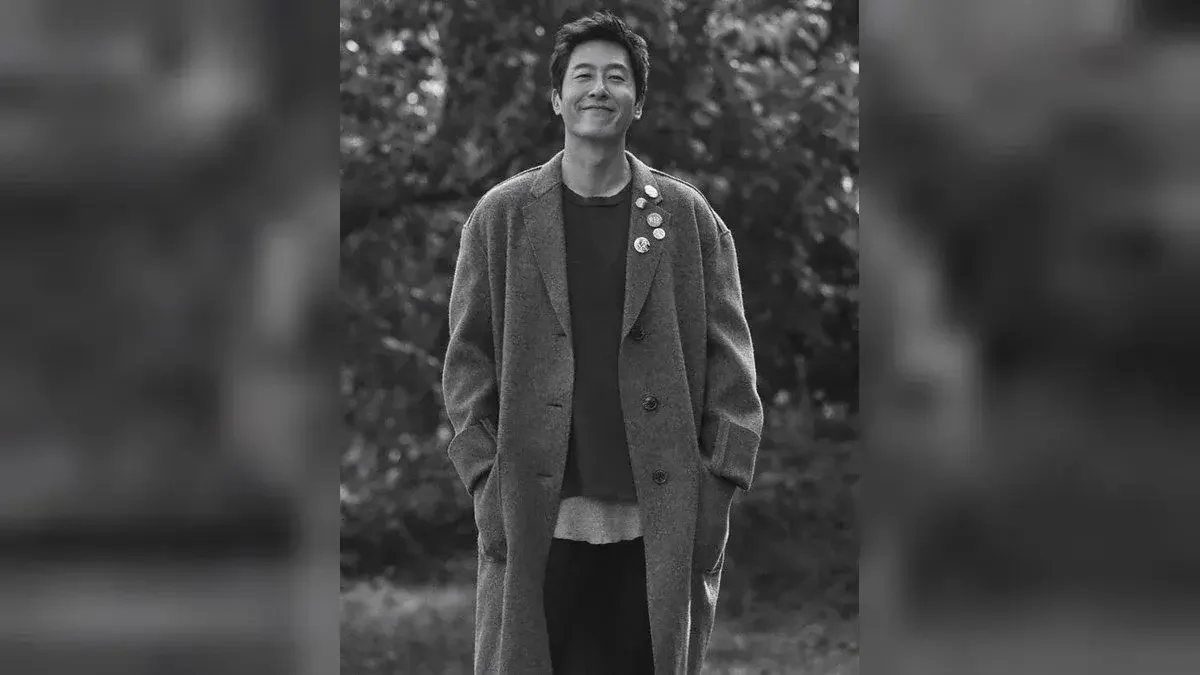
A forensic expert has reviewed the 2017 traffic accident in Samseong-dong that killed actor Kim Joo-hyuk, focusing on why his vehicle suddenly accelerated after traveling alongside another car for 10 seconds. While an autopsy confirmed a traumatic head injury as the cause of death, the possibility of cardiac arrhythmia remains an unconfirmed factor in why the driver lost control.
Questions surrounding the final moments of actor Kim Joo-hyuk, who passed away in a sudden traffic accident on October 30, 2017, have resurfaced. While his direct cause of death was clearly identified, mysteries remain regarding why he lost control of his vehicle, particularly as circumstances suggest that after an initial collision, the vehicle traveled alongside another for approximately 10 seconds before suddenly accelerating to strike the other car again.
On the YouTube channel "Yoo Seong-ho's Deadmantalk," Professor Yoo Seong-ho of the Seoul National University College of Medicine Department of Forensic Medicine reviewed the circumstances of Kim's death, alongside the autopsy and vehicle inspection results from the National Forensic Service. He explained the necessity of distinguishing between the cause of death and the cause of the accident by comparing accident records, witness statements, and scientific test results.
The accident occurred around 4:50 p.m. on October 30, 2017, on Yeongdong-daero in Samseong-dong, Gangnam-gu, Seoul. The vehicle driven by Kim initially collided with a Grandeur traveling in the third lane. Following the first impact, the two vehicles traveled side-by-side at low speeds for about 10 seconds. Subsequently, Kim's vehicle suddenly accelerated, striking the Grandeur again before hitting a nearby apartment wall and rolling down a staircase, where it overturned.
This brief interval is considered a key clue to the mystery. During the police investigation, the driver of the Grandeur testified that immediately after the first collision, they witnessed Kim leaning his chest against the steering wheel and gripping it with both hands in extreme distress. This suggests the possibility of an acute physical abnormality occurring just before the accident, rather than a simple driving error or a momentary lapse in judgment.
The direct cause of Kim Joo-hyuk's death, confirmed by a detailed autopsy by the National Forensic Service, was severe traumatic head injury caused during the vehicle's rollover. It was clear that the fatal impact to the head led to his death. However, determining what caused the driver to lose control of the steering wheel prior to the accident is a separate issue, as the trauma that caused death cannot be viewed as the same as the preceding factor that triggered the accident.
Myocardial infarction and cerebral hemorrhage, which were considered candidates to support the possibility of an acute physical abnormality, were not confirmed during the autopsy. Professor Yoo explained that microscopic tissue examinations revealed no organic abnormalities related to the heart, such as coronary artery damage, myocardial infarction, or inflammation. There were no traces to directly support the speculation that a serious cardiovascular event occurred just before death.
The possibility of an accident caused by alcohol or drugs was also inconsistent with the test results. Blood tests detected no alcohol or specific drugs. A trace amount of antihistamine was found, but at only 0.007mg/L, which is one-hundredth of the therapeutic dose of 0.7mg/L. Professor Yoo determined this to be residual components from medication taken several days prior to the accident. No evidence was found to support suspicions that driving ability was impaired by alcohol or drugs.
However, not all possibilities are ruled out. Professor Yoo paid particular attention to cardiac arrhythmia. Arrhythmia is a phenomenon where abnormalities occur in the electrical signal transmission or function of the heart, and it does not necessarily leave distinct structural damage to the heart tissue itself. Consequently, it is difficult to confirm its occurrence through post-mortem autopsy and microscopic tissue examination alone. He explained that the fact that no abnormalities were found in the autopsy does not mean that an arrhythmia did not occur just before the accident.
The possibility of a vehicle defect was also not supported by clear evidence from the National Forensic Service's detailed inspection. No traces of mechanical malfunction to support sudden acceleration or braking system failure were identified, and analysis of black box footage from nearby vehicles showed that the rear brake lights of Kim's vehicle did not illuminate during the surge. However, due to the severe damage to the vehicle body, there were physical limitations to completely recreating and verifying the driving state at the time of the accident.
Professor Yoo emphasized that Kim's cause of death and the cause of the accident must be strictly distinguished. While it is clear that the traumatic head injury from the traffic accident was the direct cause of death, it cannot be scientifically determined why the driver lost control of the vehicle beforehand. If the witness statement is accurate, he offered the personal estimation that an acute physical abnormality, such as cardiac arrhythmia—which is difficult to confirm post-mortem—may have caused a temporary loss of driving ability.
Kim's accident leaves questions that persist long after the event. While the visible collision and fatal trauma can be explained scientifically, what occurred in the driver's body just before may remain unconfirmed. Professor Yoo's analysis, rather than concluding the truth of the accident, clarifies the boundary between confirmed facts and estimations, revealing both the areas forensic medicine can uncover and those it cannot.
Lee Chang-seok is the CEO and editor of Mediafine and writes for Mediafine Global, mainly covering K-Variety and also writing on K-pop, Celebrity and K-drama.

Comments 0
Comments are currently disabled.