
Former police officer gets suspended sentence for leaking Lee Sun-kyun investigation details
A former police officer accused of leaking investigation details regarding the late actor Lee Sun-kyun has received a suspended prison sentence in his second trial.
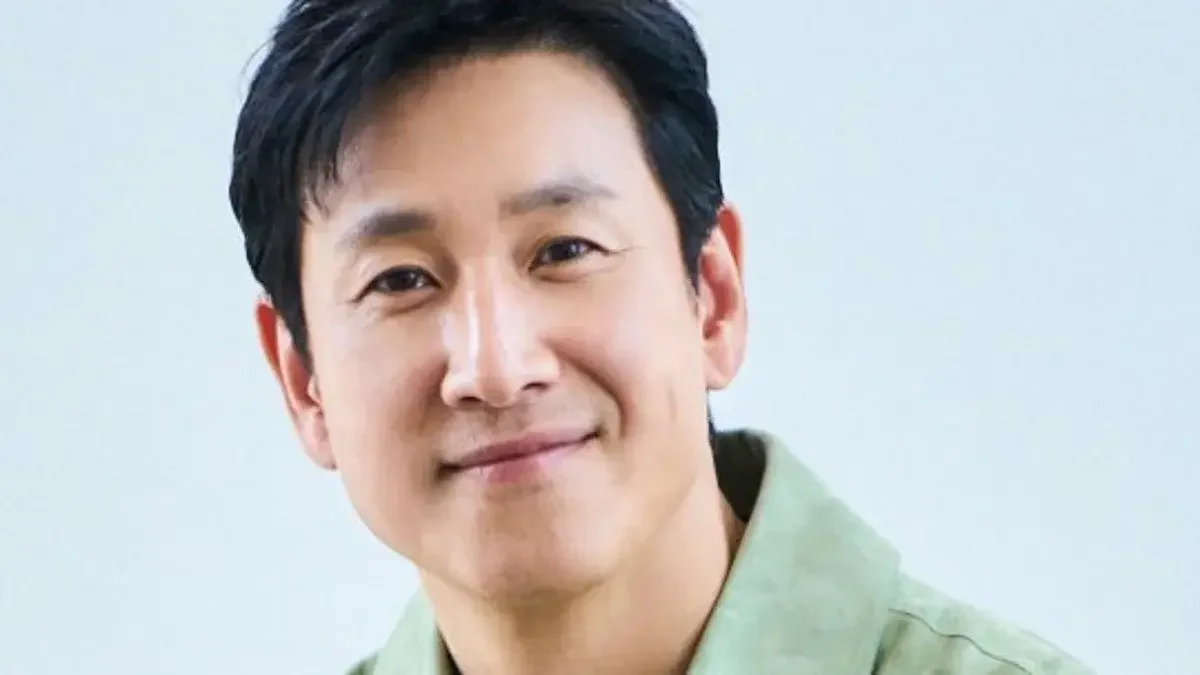
An appellate court on the 10th maintained a suspended 1-year and 2-month prison sentence for a former Incheon police inspector who leaked investigation reports regarding the late actor Lee Sun-kyun in October 2023. The ruling follows a period of intense debate over media reporting practices and human rights protection after the actor was found dead on December 27, 2023.
A former police officer who leaked investigation information regarding the drug allegations of the late actor Lee Sun-kyun has been sentenced to a suspended prison term in an appellate court. As the trial holding individuals accountable for the disclosure of internal investigative data to the media resulted in a decision to avoid actual imprisonment in the second trial following the first, the controversy surrounding the leak of investigation information surrounding the deceased's death has resurfaced.
On the 10th, the Criminal Appeals Division 1-1 of the Incheon District Court (Presiding Judge Kim Yeong-uk) sentenced the former Inspector A, a police officer in his 30s belonging to the Incheon Police, to 1 year and 2 months in prison with a 2-year stay of execution and 80 hours of community service, maintaining the original verdict in the appellate trial for leaking official secrets. Journalist B, who is accused of receiving investigation materials from former Inspector A and passing them to other reporters, was also sentenced to a fine of 5 million won, consistent with the original ruling.
Former Inspector A is accused of leaking reports containing investigation progress and personal details to two journalists he knew personally by photographing and transmitting them while investigating the drug allegations involving Lee Sun-kyun in October 2023. This involved the leakage of investigation information that should have been managed internally within the police, which was subsequently disclosed through media reports.
In fact, an entertainment media outlet reported edited photos of investigation reports and related details on December 28, 2023, the day after Lee Sun-kyun passed away. Because the timing of the exposure of the subject's personal information and the progress of the case to the media was immediately after the death of the deceased, it caused significant repercussions at the time. This served as the background for the intensifying debate over the information management responsibilities of investigative agencies and the reporting responsibilities of the media.
After being dismissed from his organization, former Inspector A filed a lawsuit to cancel his dismissal, claiming the disciplinary action was excessively heavy and illegal, but he lost the appeal. Aside from the maintenance of the suspended sentence in the criminal trial, the heavy disciplinary action imposed by the police organization was also not recognized as justified.
Lee Sun-kyun was found dead on December 27, 2023, while undergoing police investigation regarding drug use allegations, causing a massive social shock. Due to the death of the deceased, the drug use allegation case was closed with "no right to prosecute." However, the leakage of information during the investigation process, the reporting practices of the media, and the protection of the suspect's human rights have remained subjects of ongoing debate even after the conclusion of the case.
The culture and arts community also strongly questioned the investigation and the responsibility of the media surrounding the death of the deceased. Last January, artists issued a statement to relevant agencies defining Lee Sun-kyun's death as "cruel character assassination" and demanding improvements in human rights protection during investigations and media reporting practices. The statement contained the awareness that if an individual's allegations and investigation procedures are indiscriminately disclosed on the grounds that they are matters of public interest, it can cause irreversible damage to the person's character and life.
Director Bong Joon Ho, who was a close friend of the deceased, urged through a press conference that the media response of investigative agencies be thoroughly investigated and the results be disclosed. He emphasized that there must be an investigation without doubt into whether there was unlawful media response by public relations officers during the investigation process, or whether investigative personnel individually contacted journalists or inappropriately answered questions regarding investigation details. The demand was to verify not only the circumstances of the investigation information leak but also the overall information management system within the police and media contact practices.
Director Byun Young-joo also expressed anger toward the prosecution and the police during a recent broadcast. "I still cannot forgive the prosecution and the police. I will probably live my whole life unable to forgive them," she said, strongly criticizing the responsibility of the investigative agencies regarding the death of the deceased.
This appellate ruling confirmed the criminal responsibility for the leak of investigation information while maintaining the decision to suspend the execution of the prison sentence. However, the essence of the case does not stop at the deviation of a specific police officer. Fundamental questions remain regarding how the personal information and allegations of the investigation subject were disclosed to the outside, the extent of the duty of confidentiality for investigative agencies and the reporting responsibility of the media, and how to protect an individual's personality rights during a public investigation process.
The debate over responsibility for the leak of investigation information, which continues after the death of Lee Sun-kyun, is once again questioning what the minimum ethics and institutional safeguards are that public power and the media must uphold. As the social wound surrounding the death of the deceased has not yet healed, this ruling is expected to serve as a catalyst to trigger discussions regarding the responsibility of investigative agencies and the protection of human rights.
Lee Chang-seok is the CEO and editor of Mediafine and writes for Mediafine Global, mainly covering K-Variety and also writing on K-pop, Celebrity and K-drama.

Comments 0
Comments are currently disabled.