
Lim Young Woong’s ‘Gather Together’ hits 2 million views
Lim Young Woong's new song 'Gather Together' quickly surpasses 2 million views on YouTube, sparking debate over its potential as a new national anthem.
Lim Young Woong has written another record. The official music video for his new song, 'Gather Together,' has rapidly surpassed 2 million views since its release on YouTube. However, this time, the achievement carries a meaning deeper than simple popularity. By layering 'the rhythm of Korea' onto the beats of the janggu, kkwaenggwari, and buk, the song is breaking the boundaries of generations and tastes, demonstrating the potential for a new kind of 'national song' in popular music. Naturally, attention is also focused on whether it can rise to the status of a song that transcends eras and is sung together, much like Cho Yong Pil's 'Let's Go on a Trip.'
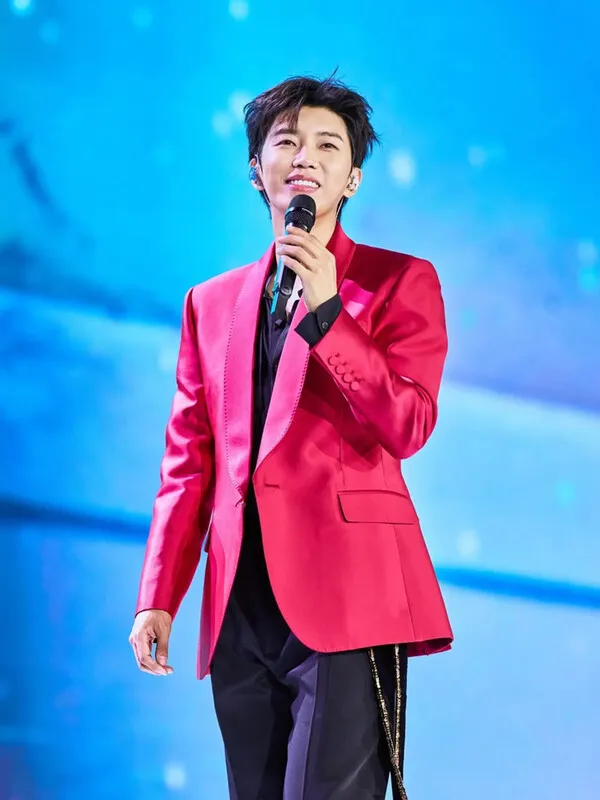
Released through Lim's official YouTube channel, 'Gather Together' differs from typical trot music grammar from the very beginning. By combining the rhythms of traditional instruments such as the janggu, kkwaenggwari, and buk with lyrics like "A sound sung from the easternmost edge, the rhythm of Korea, let's gather together today," the song puts Korean excitement at the forefront. Furthermore, with the addition of lyrics such as "From Hallasan to Seoraksan, let's go everywhere, brothers, we are one," the song expands its scope from popular music that sings of individual emotions to a song that calls upon a sense of community.
What is interesting is the power of such 'songs sung together.' Looking back at the history of popular music, songs that survive for a long time possess not only musical perfection but also the power to evoke the memories and collective experiences of a specific generation. Cho Yong Pil's 'Let's Go on a Trip' is a prime example. Released in 1985, this song is naturally summoned during vacation seasons, group events, and festivals even after many years have passed, establishing itself as a cultural memory shared by multiple generations beyond being just a hit song for a specific singer. The moment a song moves beyond individual appreciation to become the background music for collective rituals, popular music transforms from a simple consumer good into a cultural symbol.
'Gather Together' also aims for this exact point. The concept of a "feast of Korea" prioritizes community sentiment over individual narratives. In particular, by placing traditional rhythms within the framework of modern popular music, it simultaneously stimulates both the familiar and the new. To the younger generation, the traditional rhythms may feel like a fresh musical device, while to the middle-aged and elderly, the familiar melodies and emotions may trigger nostalgia. From a cultural sociology perspective, this represents the possibility of generational resonance, where different generations form a point of contact through a single piece of music.
The presence of Lim cannot be overlooked in this process. He has not remained confined to the framework of a singer of a specific genre, but has absorbed various musical colors such as ballads, trot music, rock, and pop in his own way. Above all, given that he possesses both a powerful fandom and broad public recognition, he has the foundation to receive significant attention for new musical attempts from the start. 'Gather Together' also appears to aim for public scalability by placing an intuitive message and a chorus that anyone can sing along to at the forefront, rather than relying solely on the cohesion of his fandom.
The figure of 2 million views is also an indicator of such a phenomenon. Of course, one cannot conclude the long-term vitality or whether a song is a 'national song' based solely on YouTube views. This is because views on modern platforms are influenced by various factors, such as the active consumption and repeated playback of fandoms and the diffusion structure of algorithms. However, the fact that it recorded high views within a short time after release shows that, at the very least, the initial public interest surrounding this song is considerable.
More importantly, the emotion that 'Gather Together' aims for coincides strangely with the current social atmosphere. Popular culture in the digital platform era has accelerated individualization and fragmentation. Each person is recommended different content, looks at different screens, and even consumes music via individual algorithms. In such an era, a song that shouts "Gather Together" and "We are one" paradoxically stimulates a strong collective desire. It is a nostalgia for the scene where people, scattered individually, gather in one space again to sing and dance together.
This also connects to the traditional concept of 'Daedong.' Daedong does not simply mean everyone becomes the same, but rather implies the ideal of different people gathering in one communal field. The way 'Gather Together' expands its vision from Hallasan to Seoraksan, and from the easternmost edge to every corner of the country, is in the same context. It is a suggestion to temporarily erase the geographic distance and generational differences through music to share a single sentiment. While a single song cannot resolve the complex conflicts of actual society, it is meaningful in that popular music can temporarily evoke a sense of community.
Ultimately, whether 'Gather Together' will become a song loved for a long time like 'Let's Go on a Trip' is a matter for time to judge. For a song to become a national anthem, high views or buzz are not enough. It must evoke specific moments even after years pass, flow naturally from someone's lips, and be sung together even as generations change. The 2 million views 'Gather Together' shows now is merely the starting point of a long journey. However, the reason public attention is focused on the possibility of this song—which moves beyond individual emotion to sing of the collective 'we'—becoming another signature track for Lim is clear. The test is now whether one person's song can truly 'gather' many people together.


Comments 0
Comments are currently disabled.