
Actor Ahn Yong-jun sued for 489.63 million won fraud allegations
Actor Ahn Yong-jun, known for his roles in dramas such as Jumong, has been sued on charges of fraud and forgery of private documents involving approximately 490 million won in investments for performances, fan meetings, and album production.
An individual filed a complaint against actor Ahn Yong-jun at the Haeundae Police Station in Busan on the 21st, alleging fraud and document forgery involving 489.63 million won related to album production and performance investments.
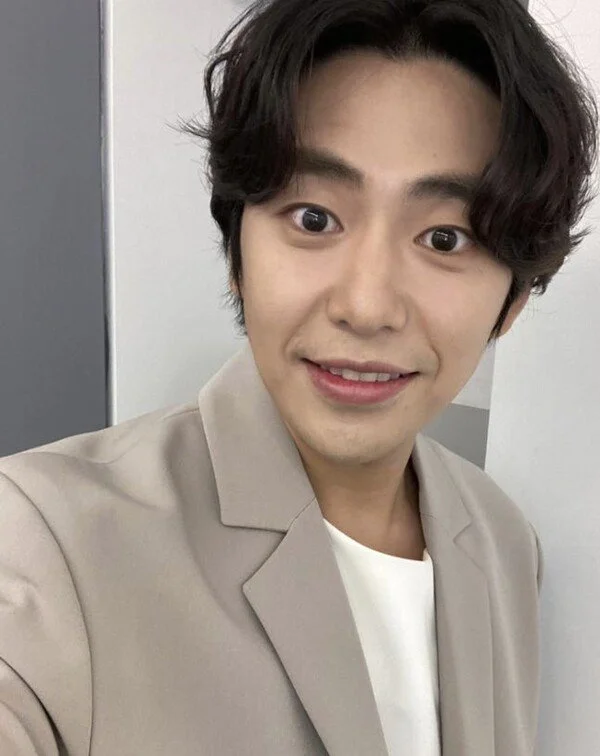
Actor Ahn Yong-jun, who appeared in dramas such as Jumong, has been sued on charges of fraud and forgery of private documents involving approximately 490 million won. The case arose during investment processes surrounding performances, fan meetings, and album production, with allegations that he attracted investment by claiming to have exclusive contracts with famous actors. However, these details are currently based on the claims of the accuser, and it has not been confirmed or legally established that Ahn Yong-jun's charges are true.
On the 21st, an individual identified as Mr. Jeong filed a complaint against Ahn Yong-jun with the Haeundae Police Station in Busan for fraud, forgery of private documents, use of forged private documents, and forgery of signatures. The total damage claimed by the accuser is 489.63 million won. The core issues of this case are expected to be the use of the investment funds, whether contracts were actually signed, and the authenticity of the related documents.
According to the accuser, the case began with investment proposals for performances, fan meetings, and album production. Mr. Jeong claims that Ahn Yong-jun encouraged investment by presenting documents suggesting he had signed exclusive contracts with famous actors, promising to share the profits generated from the business. Since the actual existence of contracts and the feasibility of the business were critical decision-making factors for the investor, whether the presented materials matched the facts will be a major point of contention.
However, Mr. Jeong suspects that the names, signatures, and seals on the contracts presented as evidence during the investment process do not belong to the actual parties involved. Doubts have been raised regarding whether the contracts were actually concluded and whether the documents were legally prepared. The authenticity and the circumstances of the preparation of these documents must be verified through the investigation.
Allegations have also surfaced regarding an album production contract with a large entertainment agency. The accuser claims that while Ahn Yong-jun explained that such a contract had been finalized, it was actually not concluded. The accuser also suspects that the invoice presented to prove the deposit of funds was forged. Whether there was a discrepancy between the business details explained during the investment solicitation and the actual progress of the contract will be a key factor in the future investigation.
Detailed information regarding the amount of damages also requires examination. It is reported that the 489.63 million won presented by Mr. Jeong includes not only the unrecovered investment funds but also amounts for which he claims to be receiving demands for repayment from third parties, such as other investors. Therefore, a specific verification of the facts is required to determine how the total complaint amount is composed and the scope of the amounts directly attributed to Ahn Yong-jun and his responsibility for repayment.
Ahn Yong-jun debuted in the entertainment industry in 2006 and has appeared in works such as Jumong, Rounding Off 3, Capital Scandal, Jeon Woo-chi, and The Secret House. As an actor known through various works becomes embroiled in a large-scale investment controversy, attention is focused on the results of the investigation. It is reported that his exclusive contract with the agency CreMate Media has recently ended.
This case involves several issues beyond a simple dispute over the return of investment funds, including the authenticity of contracts, signatures, and seals, as well as whether the album production contract was actually established. However, the filing of a complaint does not prove charges of fraud or document forgery. It is necessary to distinguish between the raised allegations and confirmed facts until investigative authorities verify the facts based on related materials and statements from the parties involved and determine legal liability.
Lee Chang-seok is the CEO and editor of Mediafine and writes for Mediafine Global, mainly covering K-Variety and also writing on K-pop, Celebrity and K-drama.


Comments 0
Comments are currently disabled.