
Education expert Kang Seong-tae regrets failing to warn of AI cheating risks
Education expert Kang Seong-tae expressed deep regret and self-reproach regarding the recent controversies over AI-driven cheating, noting that he had warned of the potential for AI to disrupt exam systems years ago but failed to gain public attention.
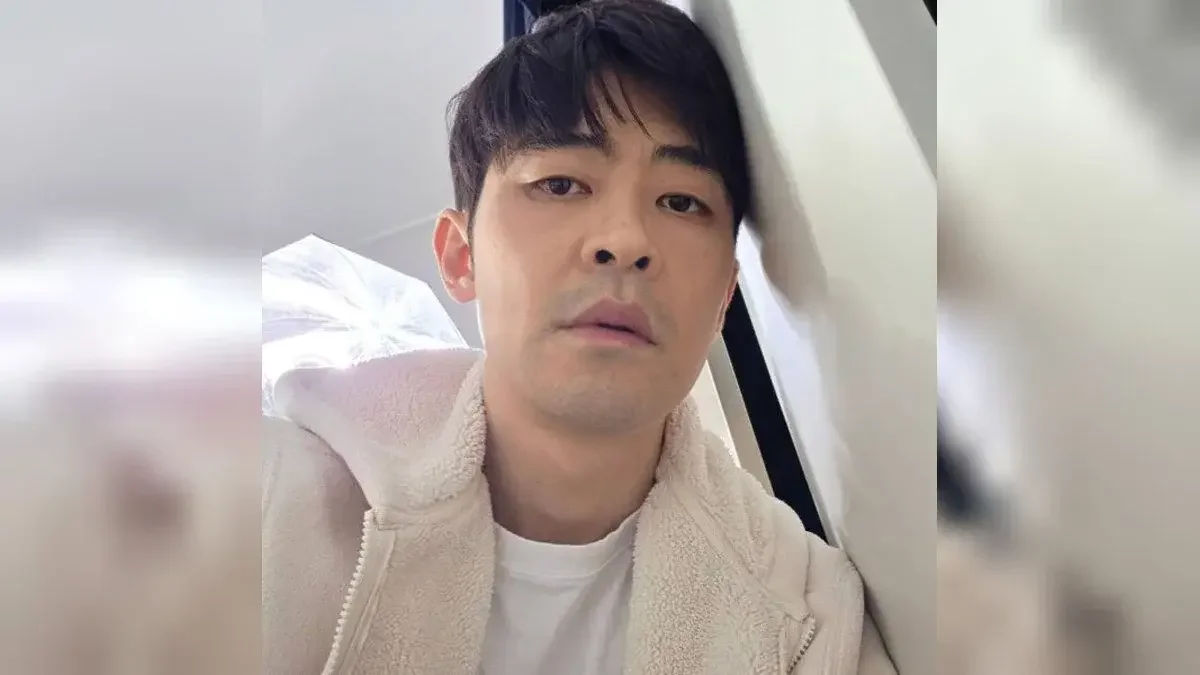
Education expert Kang Seong-tae expressed regret on the 19th for failing to actively promote warnings about AI-driven cheating risks despite producing related videos since 2023. He noted that discussions regarding this year's College Scholastic Ability Test have shifted from study techniques to cheating methods.
Kang Seong-tae, an education expert known as the "God of Study," has expressed deep regret and self-reproach while observing the controversy surrounding cheating in exams utilizing artificial intelligence (AI). He stated that although he had been warning for several years that AI could shake existing examination systems, he failed to actively promote the issue because it did not garner public interest at the time. He also expressed bitterness over the current reality where discussions surrounding this year's College Scholastic Ability Test focus more on cheating methods than on study techniques or advice for examinees.
On the 19th, Kang expressed his complex emotions through his social media, stating, "I regret it so much. Seeing this whole situation, I wonder why I couldn't prevent it even though I knew the day would come when AI would shake up exams." As concerns regarding the possibility of AI-driven cheating and issues of fairness in the College Scholastic Ability Test have recently surfaced, he reflected on the concerns he had raised in the past.
He explained that he had been producing videos related to AI since 2023 to inform the educational field of its potential impact. However, the public response at the time did not meet expectations, and his motivation to cover the subject gradually declined over time. Having been unable to sit for this year's College Scholastic Ability Test, he looked back at his past videos and confessed, "Just looking at the titles makes me feel so much regret."
Kang reflected on his past attitude of blaming public indifference. "At the time, I was grumbling that people weren't interested in AI. After that video, I hardly spoke about it anymore," he said. "The reason there was no response was that I failed to convey it properly, but I feel pathetic for having blamed others." This is a sense of self-reproach for failing to persuasively communicate the impact AI would have on the education and evaluation systems despite anticipating the repercussions.
He noted that the atmosphere of his annual interviews ahead of the College Scholastic Ability Test felt different this year. In the past, Kang focused on providing examinees with study methods, exam strategies, and practical advice to help them gain even a single additional point. However, this year, the focus of the questions had shifted entirely. "Every year when I do the College Scholastic Ability Test interviews, I would talk about tips to gain even one last point. This year, the questions were solely about cheating methods," he said. "I couldn't even say the things that students truly need to hear. I feel a sense of shame."
These remarks align with concerns that the pace of AI technological development is outpacing the response of the educational field. As generative AI and wearable devices rapidly spread into daily life, the possibility of them being used for dishonest purposes in exam halls has emerged as a new challenge. Discussions have become inevitable regarding whether current supervision and security systems—focused on controlling existing electronic devices—are sufficient to protect exam fairness, or if the evaluation methods themselves must be re-examined.
Previously, Kang had expressed his intention not to participate in this year's College Scholastic Ability Test amid the ongoing confusion regarding concerns over AI-driven cheating and the preparation of countermeasures. This appears to reflect his judgment that the controversy surrounding the College Scholastic Ability Test extends beyond simple cheating within exam halls to fundamental changes in the education and evaluation systems.
On the 14th, he also mentioned AI glasses as one of the reasons for halting his educational activities on his YouTube channel. He explained that during the process of suspending his activities around January 2022, he contemplated the changes AI technology would bring to education. He expressed skepticism regarding the meaning of traditional learning methods and effort if an elementary school student wearing AI glasses could solve problems better than a student who has studied for a long time.
Kang has consistently raised concerns regarding the possibility of AI-driven cheating even for the 2027 College Scholastic Ability Test. As the technological threats, which were once considered a distant future, have turned into actual debates over the fairness of exams, his regret over not being able to deliver his warnings sufficiently has grown. Having provided study methods to numerous examinees as the "God of Study," he is now questioning the very meaning of studying and testing in the age of AI.
Lee Chang-seok is the CEO and editor of Mediafine and writes for Mediafine Global, mainly covering K-Variety and also writing on K-pop, Celebrity and K-drama.


Comments 0
Comments are currently disabled.