
Nucksal, Father of Two Sons, Says South Korea's Child-Rearing Aid Falls Short in Amount and Duration
Rapper Nucksal criticized the government's childbirth and child-rearing support on a web variety show, saying the amount and duration of aid are inadequate. His remarks split opinion online and raised questions about the direction of low-birth-rate policy.
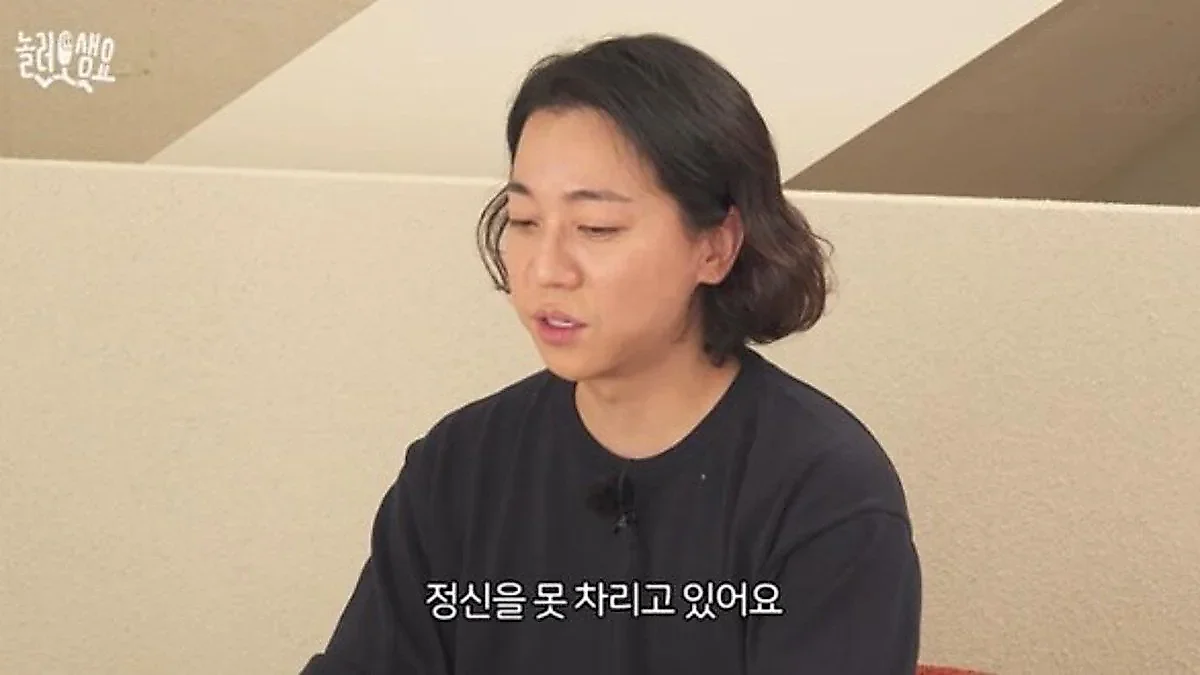
Rapper Nucksal, a father of two sons, said "this country is not coming to its senses" as he criticized the government's child-rearing support, arguing that those who have children should be encouraged more actively. He married a non-celebrity in September 2022.
"Not enough, in amount or duration"
Nucksal made the remarks on the web variety show "Annyeonghasaemyo," released on the 16th, where he talked about childbirth and child-rearing subsidies. When the conversation turned to current support methods and benefits for families with several children, he voiced dissatisfaction with the level of government aid.
"Honestly, this country isn't coming to its senses," he said. "The collapse of the nation is not far off, and this is all the benefit there is?" He added: "Even making people who have children heroes wouldn't be enough. Having a child isn't a title of rank, but we should encourage and promote it more." The thrust of his comments was that, with low birth rates tied directly to the nation's future, families raising children need much stronger support rather than leaving childbirth purely as a personal choice.
He also raised problems with how long and in what way support is given, not just how much. "For people who live decently like us, having a child is a choice, but there will be people who have one anyway," he said, touching on the varied realities around childbirth. "One way or another, there has to be support and encouragement when a child is born, but the amount and period South Korea gives now won't do," he argued.
Why the remarks drew attention
The comments drew notice partly because they came from a man actually raising two children. Slogans and policies encouraging births continue, but the remarks reflected a sense that the burden parents bear after a child is born remains heavy. Behind the debate lies a view that simply paying a fixed sum right after birth can hardly ease long-running child-rearing costs and care burdens. Drawing on his experience as a father of two sons, Nucksal's blunt words have set off a heated pro-and-con debate online over how effective government support is.
Online opinion splits
Not a few voices sympathized with him. They argue that as low birth rates drag on, existing support alone makes it hard to decide to have and raise children, and that the state should commit funds more boldly. Another argument gaining strength holds that childbirth should not be treated only as an individual's responsibility, and that the state should share responsibility for practical problems that arise in raising children, such as housing, education and care costs.
After the video was released, however, opinion online was divided. Critical netizens said, "Even compared with other countries, South Korea's child-rearing welfare isn't bad," and argued that the support systems already in place should be taken into account. Others said raising childbirth subsidies alone cannot solve the low birth rate, and that people having children because of subsidies should not be set as a desirable policy goal.
Some also raised objections over priorities. Rather than expanding benefits uniformly to every household, they said, it would be more efficient to concentrate funds on families in serious financial difficulty and those facing gaps in care. Because state finances are limited, they argued, the first questions should be how much a policy actually reduces the burden of raising children and whether it reaches those who need it, rather than simply increasing the scale of support.
A debate about policy direction
The argument ultimately goes beyond the size of child-rearing subsidies to the direction of low-birth-rate measures. Expanding cash support paid right after birth and building an environment in which parents can raise children stably over the long term are separate tasks. It is hard to assert that bigger subsidies alone can lift the birth rate, but repeating slogans urging births without easing the burden of raising children has clear limits as well. The point made is that the effectiveness of policy hinges on how organically cash support is linked with housing stability, work-family balance, public care and relief from education costs.
With a father of two publicly criticizing government child-rearing support, attention has returned to the discussion over low-birth-rate measures. The questions remain open: how much policies encouraging births actually change parents' lives, and how far the state should take responsibility so that having and raising children does not rest solely on individual sacrifice.
Lee Chang-seok is the CEO and editor of Mediafine and writes for Mediafine Global, mainly covering K-Variety and also writing on K-pop, Celebrity and K-drama.
Related Articles

Park Han-byul Says a Sea 10 Minutes From Home Is Why She Can't Give Up Life on Jeju Island

“Why isn’t my photo up there?” Gong Hyeong-jin draws fire for remarks to Cha Ji-yeon on stage

Comments 0
Comments are currently disabled.