
Singer Sean reveals fashion business reached 20 billion won in annual sales
Singer Sean revealed that his former fashion business, which once operated 40 stores nationwide, reached 20 billion won in annual sales but ultimately failed to list on the KOSDAQ. He expressed gratitude for the failed listing, noting that the missed opportunity to secure billions of won helped him maintain his current way of life.
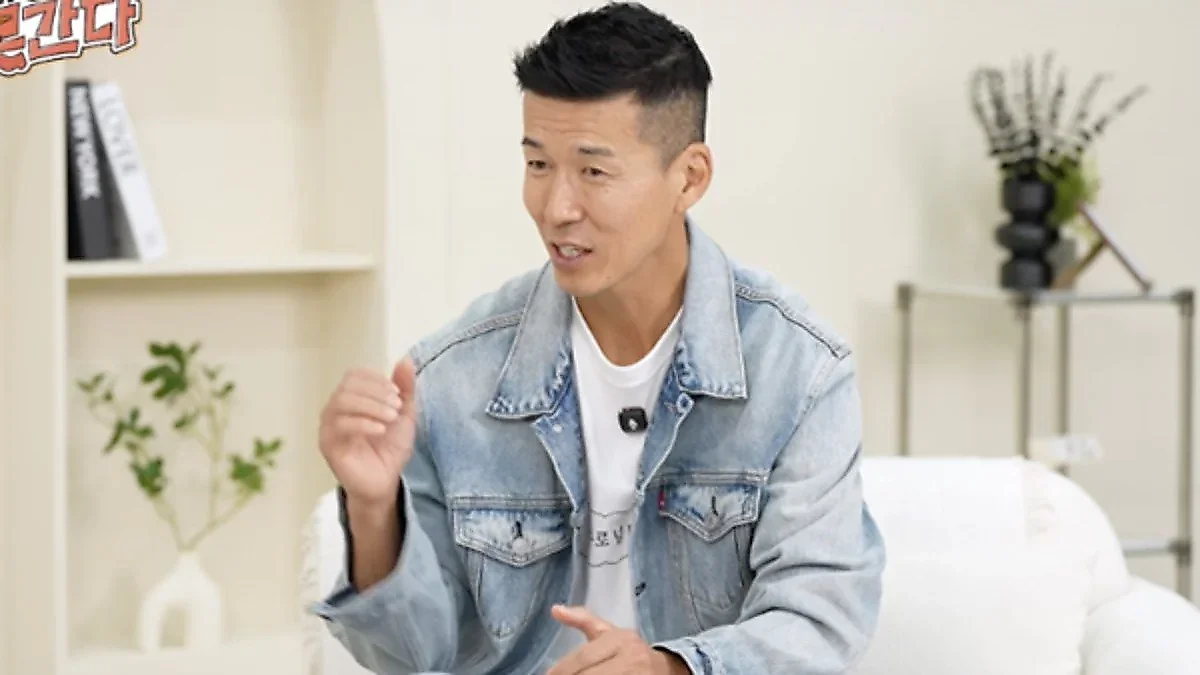
Singer Sean revealed on the YouTube channel Lee Sung-mi's Can't Go on the 26th that his fashion business reached 20 billion won in annual sales and operated 40 stores nationwide. He expressed gratitude for a failed KOSDAQ listing that prevented him from cashing out shares for several billion won.
Singer Sean, known as an icon of donation and service, has revealed that he was once a fashion entrepreneur whose business once recorded 20 billion won in annual sales. Although the business grew significantly enough to operate 40 stores nationwide, he explained that the personal wealth he held was not as large as one might expect. He also shared the story of a failed attempt to list on the KOSDAQ, expressing an unexpected sense of gratitude for missing the opportunity to secure billions of won.
Appearing on the YouTube channel Lee Sung-mi's Can't Go on the 26th, Sean spoke about the clothing business he started during his days with Jinusean. Having become deeply immersed in hip-hop culture, he naturally developed an interest in fashion, which led him to jump into the clothing brand business. The sense he built through music and his affection for fashion translated into the business, resulting in success that was much greater than anticipated.
“At the peak in 1998, there were about 40 stores nationwide,” he stated, adding that “sales rose to 20 billion won within three years.” The fact that he established a nationwide store network and achieved 20 billion won in annual sales in such a short period shows that Sean achieved significant success in business as well as on the stage. While he is a figure familiar to the public through his donations and good deeds, he had experience achieving major business results in the fashion industry.
However, the figure of 20 billion won in annual sales did not immediately translate into massive personal wealth. “People think I have a lot of money, but that is not the case,” Sean said. While the scale of sales might lead to speculation that he accumulated significant wealth, he explained that there was a large gap between sales and personal income during the actual operation of the business.
The clothing business was structured in a way that required continuous funding to operate stores and supply products. Sean explained that when sales occurred, he had to share profits with the stores and reinvest the remaining profits to grow the business the following year. No matter how large the sales were, he could not take all of it as personal money. He looked back, noting that because funds were constantly being poured into maintaining and expanding the business, the personal profit he secured was limited relative to the scale of the business.
In fact, Sean stated that he only received a certain amount of money when he was wrapping up the business, as the process of reinvesting profits into the business was repeated until then. Although he was a successful entrepreneur on the surface, that achievement did not lead directly to personal wealth. Behind the brilliant record of 20 billion won in annual sales lay the reality of having to circulate funds to sustain the business and prepare for future growth.
The most eye-catching part was the anecdote regarding the pursuit of a KOSDAQ listing. At the time, the CEO who led the business with him strongly desired the listing, but Sean said he was not an active proponent from the beginning. “It would be good to make money, but I thought I started this because I love clothes, not to make money,” he revealed. He placed more meaning in enjoying the fashion he loved and continuing the business rather than gaining greater wealth through it.
Ultimately, Sean agreed to pursue the listing, but the plan fell through as the performance of the second brand deteriorated. The possibility of cashing out shares through an initial public offering to secure significant funds also vanished. Reflecting on the situation, Sean said, “If we had listed on the KOSDAQ and cashed out the shares, it would have been several billion won.” His confession that he could have secured billions of won personally if the listing had succeeded drew attention to his perspective on business success and failure.
Interestingly, Sean did not view the failed listing solely as a painful failure or a missed opportunity. Rather, he stated that he is grateful that the listing did not succeed. Mentioning that he might have bought a nice house or car if he had handled large sums of money at a young age, he noted the possibility that he might have lived a different life if he had obtained large sums of money back then. He did not conclude that economic success would have necessarily brought him better results.
Sean looked back on the past with the sentiment that because he did not obtain large sums of money, he was actually able to maintain the way he has lived until now. He placed more meaning in the attitude of life he was able to protect thanks to missing that opportunity, rather than the wealth and opportunities for consumption he could have enjoyed if the listing had succeeded. This reveals a value system where how he lives is more important than the business achievement of 20 billion won in annual sales or the possibility of cashing out billions of won in shares.
Sean, who has built public trust through steady donations and service, continues various sharing activities with his wife Jung Hye-young. This confession shows that he is not a person who has lived by turning away from wealth from the beginning, but rather someone who experienced great success through business and learned not to judge the value of life solely by the amount of money. As a businessman who once held 40 stores nationwide and generated 20 billion won in annual sales, his confession—looking back on the life he was able to protect by missing that opportunity rather than regretting the billions of won he could have obtained if the listing had succeeded—leaves a unique lingering impression.
Lee Chang-seok is the CEO and editor of Mediafine and writes for Mediafine Global, mainly covering K-Variety and also writing on K-pop, Celebrity and K-drama.


Comments 0
Comments are currently disabled.