Jo Hye-ryun's daughter drops out of elite high school: 'Mom's absence was too great'
Comedian Jo Hye-ryun reflects on her regrets as a mother and her daughter Yunah's journey toward independence after leaving an elite high school.
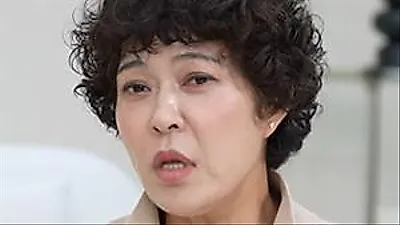
Comedian Jo Hye-ryun has expressed deep remorse, looking back at the childhood years she failed to fill for her daughter. Although she was a mother who lived more intensely than anyone else, she confessed she was not enough of a "mother who stays by her side" for her child.
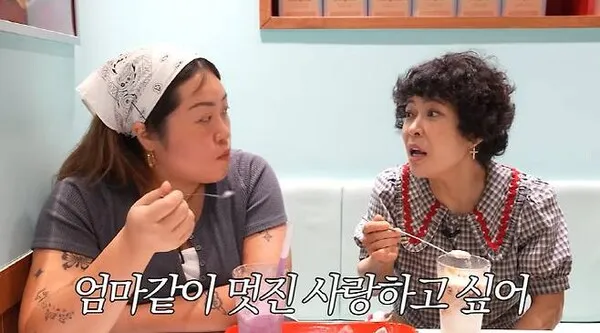
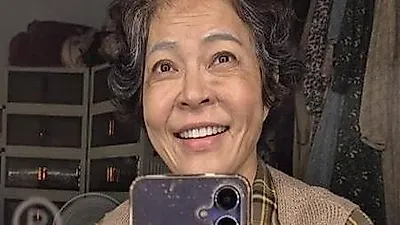
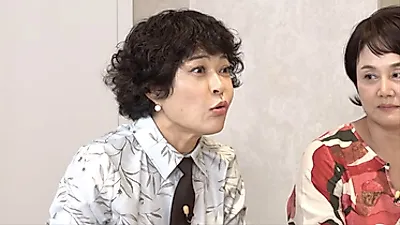
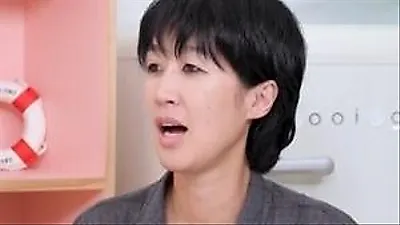
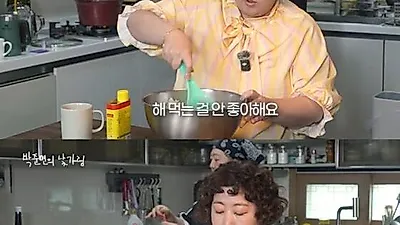
On the 9th, a video titled "A Real-time Food Craving Tour with an Honorary British Citizen Who Has Exactly 90 Days Left Until Childbirth" was released on Jo Hye-ryun's YouTube channel. While chatting with entertainer Jin-kyung Paik, who is about three months away from giving birth, Jo recalled the days she raised her daughter, Yunah.
The conversation began with Paik's alter ego, the adolescent girl "Isabel." Watching this character, Jo said, "It felt like it was representing a rebellious child," and revealed that she reflected on her own parenting methods in the process.
She reflected on her past, saying, "I realized I became a mother without even knowing how to raise a child." When Paik asked, "Did you apologize later?", Jo replied that she had actually apologized to her daughter.
Paik also shared her own experience. She said she heard from her mother that she was sorry if she had caused her pain in the past, and that single sentence released long-held emotions, leading them both to cry together. For Jo, this scene also became an opportunity to rethink the meaning of an "apology" in the relationship between parent and child.
In particular, Jo confessed the loneliness Yunah felt during her childhood. Jo recalled that during her busy broadcasting days, she couldn't play properly with her daughter when the girl would say, "Mom, wake up" or "Read me a fairy tale."
"I pretended to read fairy tales but fell asleep because I was so tired," she said, adding, "If I could go back to that time, I would have been more of a friend to her." She realized late that for a child, whether a parent focused entirely on them, even for a short time, remains a long-lasting memory.
Jo specifically noted, "Kids know whether you are sincerely playing with them or just going through the motions."
This implies that moments parents might consider inevitable due to fatigue, livelihood, or work can remain with a child as the feeling that "Mom didn't want to be with me."
In fact, Yunah is said to have expressed her resentment to her mother after growing up. Jo shared that her daughter said, "I wanted Mom to be by my side, but you were too busy and your absence was too great."
That confession did not end as a simple childhood complaint. Jo revealed she was moved by the fact that as she watches her daughter build a stable family with her current husband, Yunah told her, "I want to have a wonderful love like Mom."
Even though she wasn't a perfect mother, she felt "recognized" because her daughter found positive aspects in her life.
This point is also why the relationship between Jo and Yunah is difficult to explain simply as a famous celebrity and her daughter. While Jo has shown an image of strong energy and self-management to the public through long-term broadcasting and variety show appearances, she had to belatedly face what her absence meant to her child within the family.
Yunah's growth process was not smooth either. Yunah entered an elite high school in Korea but struggled with the intense competition and eventually chose to drop out. Jo has previously shared that while she told her daughter to decide for herself at the time, it was also a very difficult time for her as a parent.
After dropping out, Yunah experienced studying abroad, but returned to Korea due to the influence of the COVID-19 pandemic. However, Jo explained that this period actually became a turning point for developing her daughter's independence.
After graduating high school in the United States and seeing peers who earn their own tuition and become independent, Yunah said upon returning to Korea, "I will earn money myself," and started working part-time at a convenience store. Later, through a transfer exam, she entered the Department of Chinese Commerce and Diplomacy at Hankuk University of Foreign Studies, and currently lives alone away from her parents, supporting her living expenses by balancing studies and private tutoring.
Ultimately, Yunah's life has flowed in a direction that cannot be defined solely by her history of "dropping out of an elite high school." It serves as an example showing that leaving competition is not a failure in life, but can be a process of finding a path that fits oneself.
For Jo, her daughter's growth process also became a mirror to re-evaluate her role as a parent. If she ran busily for economic and social success during her younger years, she is now experiencing the reality that instead of making decisions for her child, a parent's role is to respect and watch over those choices.
Therefore, the advice Jo gave to Paik regarding "how to raise a daughter" was unexpectedly simple. She said the mother a daughter needs is not someone who solves everything, but "a mother who becomes a friend by her side."
As children grow, a parent's love must shift from protection to trust. While they must hold hands and guide them in childhood, once they become adults, parents must sometimes let them walk on their own, even knowing they might stumble.
Jo's confession is not merely a story of regret over the past. It is a process of a daughter who remembers "Mom's absence" and a mother who now wants to understand that absence finally confirming their emotions to one another.
Above all, Yunah's life—spanning dropping out of an elite high school, studying abroad, working part-time, transferring universities, and achieving independence—shows that being a "friend-like mother" does not mean deciding every path for a child. Sometimes, the greatest love a parent can give is not leading from the front, but believing in their child from one step behind as they walk on their own.
Related articles