Harisu reflects on 30 years post-surgery: 'My bones are worse than an 80-year-old's'
Broadcaster Harisu opens up about her health struggles, including early-stage osteoporosis and the complexities of hormone therapy 30 years after surgery.
Broadcaster Harisu has candidly shared her experiences regarding her health and hormone therapy following her gender affirmation surgery. After undergoing surgery in 1995, she did not consistently pursue hormone replacement therapy, a decision that eventually led to an early-stage osteoporosis diagnosis.
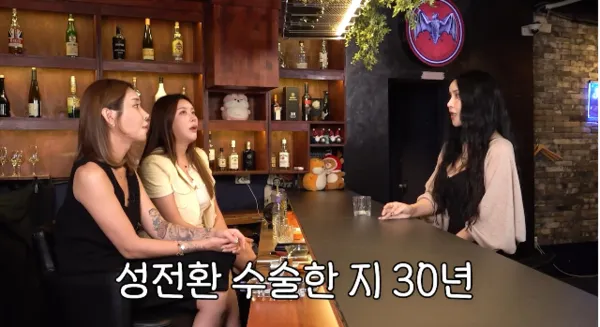
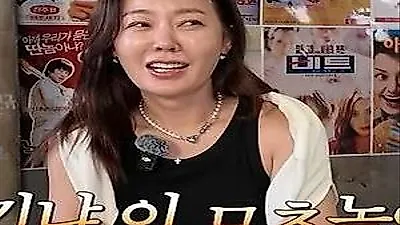
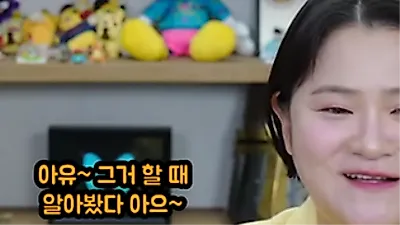
Harisu appeared on the show "TG Girls" released on the 18th to discuss her health management and recent life updates.
When Sehi asked about her secret to staying healthy, Harisu gave an unexpected answer: "To be honest, I don't exercise."
She then looked back on her past.
"I had my gender affirmation surgery quite early. I had it in 1995. It has been 30 years now," Harisu said.
Having lived with her body for a long time since undergoing surgery in the mid-1990s, Harisu's story went beyond a simple update; it was a confession revealing the long-term physical changes and health management issues experienced as a transgender person.
In particular, her comments regarding hormone therapy drew significant attention.
Harisu revealed that she did not receive consistent hormone injections after her surgery. She explained that at the time, she believed long-term administration of female hormones could be detrimental to the liver or other organs.
"So, I lived without taking the injections," she said.
Subsequently, she faced unexpected results during a health checkup.
"Exactly six years ago, I was diagnosed with early-stage osteoporosis," Harisu stated. Describing her bone condition at the time, she expressed, "My bones are in worse condition than an 80-year-old grandmother's."
However, this was an expression used by Harisu personally to describe her test results, and no medical figures were released that allow for a direct comparison with the general bone density of women in a specific age group.
She also revealed her complex feelings regarding restarting hormone therapy.
"It feels a bit unfair to have to take female hormones again now," Harisu confessed. Her words reflected her personal emotions regarding the need to consider hormone therapy late in the game after not receiving treatment for a long time.
She specifically explained that as she has been living somewhat distanced from transgender-related fields recently, her opportunities to encounter health information have also decreased.
"I am living my life having stepped out of the gender-related world. Because of that, I don't have any information."
She continued honestly, saying, "I don't know anything, like where I should get Botox, and I'm just gaining weight."
What is noteworthy in Harisu's confession is the issue of health management that has continued for decades following the gender affirmation surgery itself. While it is difficult to generalize because factors such as the presence and duration of hormone therapy and changes in bone density can vary greatly depending on an individual's health status and treatment history, her story serves as a reminder that continuous checkups and consultations with specialists are crucial for those undergoing long-term medical management.
Having emerged in the pop culture scene following her 1995 surgery, Harisu has served as an iconic figure among Korean transgender celebrities. Since her debut, she has made her presence known to the public through various fields including broadcasting, music, and film.
Now, 30 years after her surgery, Harisu is not just speaking about the image of her glamorous heyday, but is also being honest about her changing body and health as she ages, as well as the information environment surrounding her.
This confession demonstrates the need to look beyond consuming the 'life after gender affirmation surgery' through specific images or sensationalism, and instead consider the realistic issues of physical changes and health management that arise as time passes.
Related articles