Groom-to-be faces dilemma after 11 years of nursing mother
A man who has spent 11 years caring for his mother struggles to balance his devotion with his upcoming marriage on KBS Joy's 'Ask Us Anything Fortune Teller'.
A man who has stayed by his mother's side for 11 years has fallen into an unexpected dilemma ahead of his upcoming marriage. Although he has dedicated a significant portion of his life to caring for his mother over the long years, he is now questioning whether he can continue his current way of caregiving while building a new family with his beloved girlfriend.
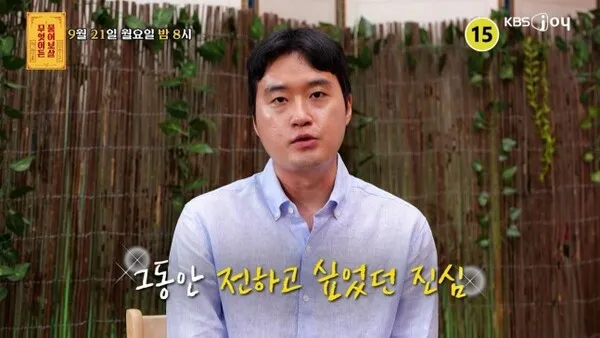
In the 383rd episode of KBS Joy's 'Ask Us Anything Fortune Teller' airing on the 21st, a groom-to-be who has been nursing his mother for 11 years will appear. The storyteller reveals that he has continued caregiving since his mother suddenly collapsed 11 years ago, and he currently stays by her side every night along with his older sister.
In terms of time alone, it has been 11 years. While a family member's sudden illness or accident happens in an instant, the subsequent caregiving carries a different weight because it is a matter of daily, repetitive life. When caregiving, which was initially thought to be 'something that will end someday,' becomes prolonged, it inevitably has a chain reaction affecting family members' occupations, human relationships, financial stability, and even personal future plans.
Such time had accumulated for the storyteller as well. Caring for his mother went beyond simple housework or duty; it became the central axis constituting his life for a long period. The lifestyle of staying by his mother's side every night with his sister also seems to have become something he does as a matter of course rather than a special sacrifice at some point.
The problem became even clearer as he began preparing for marriage. Until now, he has focused on his role as a 'son,' but after marriage, he must take responsibility for another family relationship as someone's 'husband.' It is a problem that is difficult to solve by choosing only one side between his responsibility toward his mother and the life he will build with his fiancée.
What is even more noteworthy is that his girlfriend, with whom he has been dating for seven years, already understands his situation to a large extent. It is reported that the girlfriend knew about the family situation enough to visit his mother in person, and her parents are also accepting these circumstances. Nevertheless, the storyteller's heart grows heavier the more he thinks about life after marriage.
Ultimately, the core of the dilemma does not lie in the dichotomy of 'whether to continue caring for his mother or to choose marriage.' Rather, the more realistic issue is how to change the caregiving structure that one person has essentially carried alone until now after marriage, and how to set the extent of the portion his fiancée must shoulder in that process.
In long-term caregiving, points arise that are difficult to resolve with only family love. As caregiving lengthens, not only physical strength and time but also the psychological burden of having to give up one's personal life increases. Therefore, the process of redistributing caregiving responsibilities through marriage and specifically discussing roles among family members can itself become an important task.
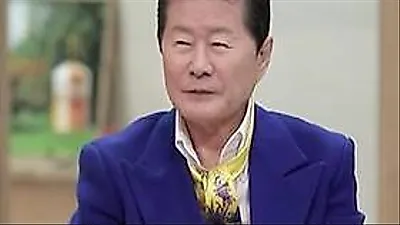
Upon hearing the story, Seo Jang-hoon shows empathy for the heart of someone who has cared for their family for a long time. Recalling his own experiences, he looks into the storyteller's situation while speaking about the sense of responsibility toward family and the complex emotions that arise during the caregiving process.
Lee Soo Geun also adds advice from a realistic perspective. While respecting the storyteller's feelings toward his mother, the two point out that the life of the wife he will live with after marriage is also an important consideration. The intent is that rather than adhering to the way things have been done until now, he should discuss sufficiently with his fiancée and find a realistic method that the two can handle together.
In particular, the fact that his girlfriend, with whom he has been dating for seven years, knows his circumstances makes this dilemma even more complex. This is because the fact that the partner already understands the situation is a separate issue from how much caregiving burden she can actually accept in real life after marriage. Marriage is also a process of converting the understanding and consideration during the dating period into a division of roles in actual daily life.
Because of this, it is difficult to approach this story merely as a heartwarming tale of a 'devoted husband' due to its deep realistic layers. For someone who has cared for their mother for a long time, it is possible that the caregiving itself has become part of their identity, but marriage is not about denying that identity, but about readjusting it within a new family relationship.
Furthermore, prolonged caregiving is a structural problem that is difficult to endure with only an individual's goodwill. Since if one person in a family takes full responsibility for caregiving for a long time, their life can effectively come to a standstill, what the groom-to-be needs is not a choice to abandon one side, but rather a way to establish a sustainable form of caregiving.
A son who has stood by his mother for 11 years is now preparing to become a husband. Attention is focused on whether he can find a way to protect the happiness of his new home without abandoning his long-standing responsibilities, and what realistic solutions Seo Jang-hoon and Lee Soo Geun will propose.
Protecting a family does not necessarily mean one person must sacrifice their entire life. Rather, from the moment a new family is formed, it is necessary to redistribute roles and burdens so that love and responsibility can be sustained. This story, where the weight of 11 years of caregiving meets the new beginning of marriage, is expected to make viewers rethink the true meaning of 'taking responsibility for a family.'
 Up next
Seo Jang Hoon gives Eunchae life-or-death advice for acting career
More on Seo Jang Hoon