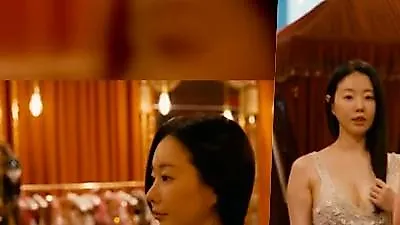
Lee Mi-sook says she'll send future daughter-in-law on trips to avoid holiday chores
Actress Lee Mi-sook shares her candid views on breaking traditional holiday labor roles for the next generation during a dumpling-making session.
Actress Lee Mi-sook drew attention by candidly stating that she has no intention of making her future daughter-in-law prepare holiday food. Rather, she expressed that she finds the idea of a daughter-in-law coming home for the holidays burdensome herself, saying, "You guys just enjoy yourselves," and would rather send her on a trip. Lee's remarks evoke the generational shift regarding traditional mother-in-law and daughter-in-law relationships and holiday customs.
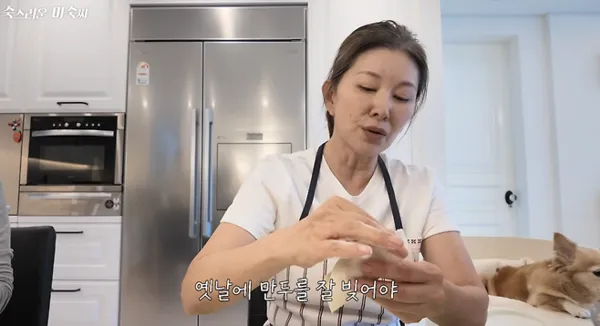
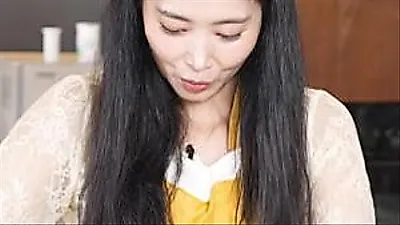
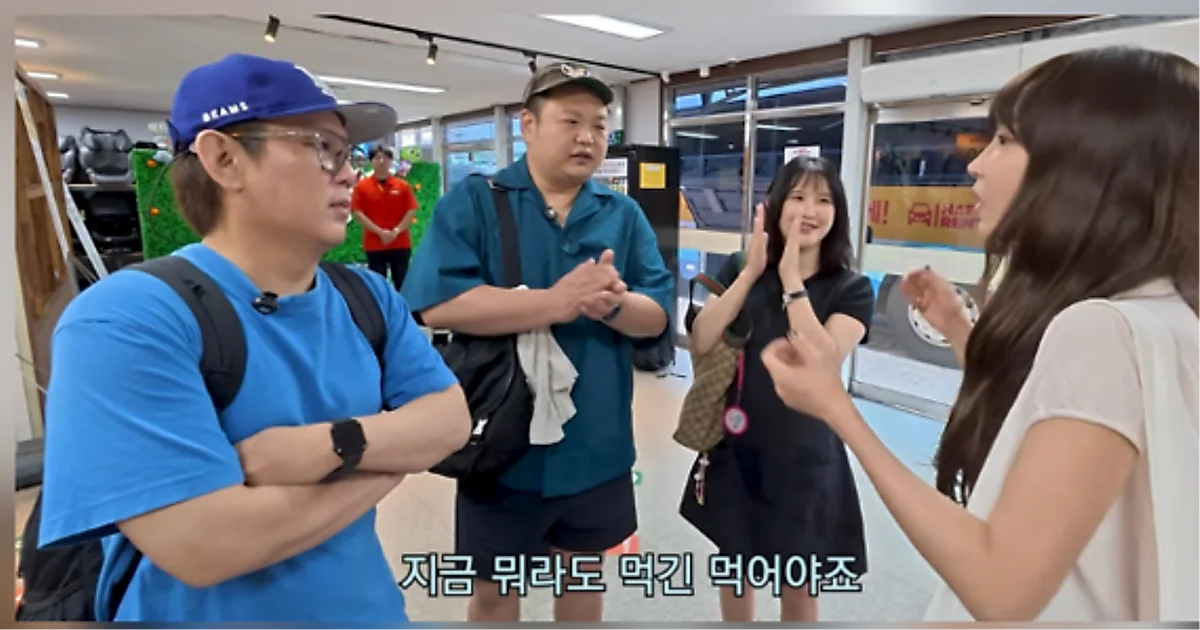
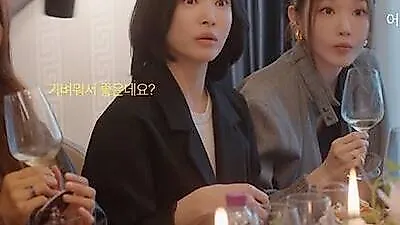
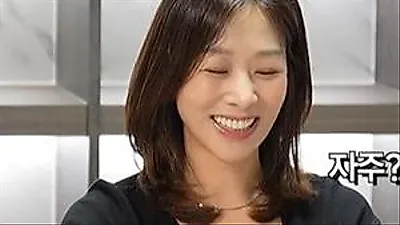
On the 18th, Lee prepared for Chuseok by making dumplings with acquaintances in a video titled "Lee Mi-sook-style Dumplings for Chuseok. We made spicy ones and had a great time," posted on her YouTube channel "Lee Mi-sook_Sukseureoun Mi-sook-ssi."
While making the dumpling filling, Lee laughed, reminiscing about the past, saying, "I don't think I even did things like this when I was a daughter-in-law."
In her younger days, preparing holiday food was regarded as natural family labor, but as she made the dumplings herself, she spoke about not wanting to repeat that same burden for the next generation.
As the conversation shifted toward the topic of daughters-in-law, Lee revealed even more honest thoughts. She stated, "I would never make my daughter-in-law or anyone like that do these things."
She continued, "I'm actually scared that my daughter-in-law might come. I'd tell them, 'You guys just have a good time among yourselves.' I wouldn't even call them for the holidays; I'd tell them to go on a trip."
While the expression might sound somewhat extreme, the context of her remarks is closer to a humorous family philosophy of liberating a daughter-in-law from the obligations and division of roles surrounding the holidays, rather than being wary of her. She expressed her intention to break away from the old custom where a daughter-in-law must take charge of food preparation or housework at her in-laws' home using her characteristic direct language.
During the dumpling-making process, Lee also shared her thoughts on holiday food and family conflicts. As she continued to offer various pieces of advice while making food with those around her, one acquaintance remarked, "This is somewhat a nagging session disguised as dumpling making."
Lee shot back, "That's just how it is." She explained that when family members gather in one place to make food, stories about daily life naturally emerge, and pointing out each other's actions or nagging is inevitable. She added, "That's why they say so many fights break out during Chuseok and the holidays," drawing laughter.
In reality, holidays are a representative cultural space where family members gather in one space for an extended period. As family members who usually live separately in their own spheres meet intensively for a short period, issues such as the division of housework, food preparation, childcare, economic burdens, and titles and etiquette can surface all at once. Lee's dumpling-making scene can be seen as a pleasant conversation that unravels this dual nature of the holidays.
In particular, the image Lee showed that day also connects to the meaning of "holiday food" as traditional family labor. While food is a medium that connects family members, it can also be repetitive labor and an obligation for someone. In the past, a daughter-in-law preparing holiday food at her in-laws' house was accepted as a natural role, but recently, an increasing number of households share housework among all family members or spend the holidays as a time for travel and rest.
Lee's comment about "not even calling them and telling them to go on a trip" can be read as a playful expression of this changed family culture. Instead of the notion that a specific family member must provide labor just because it is a holiday, she intends to respect everyone's individual time.
The dumplings Lee made that day also contained a tradition that runs through her family history. She prepared spicy dumpling soup using a method passed down from her mother, who was from North Korea. The filling included tofu, aged kimchi, bean sprouts, pork, beef, and glass noodles, which she made by hand with her acquaintances.
Although it was simply the process of making a meal, it fully contained the characteristic of Korean food culture: intergenerational transmission. In particular, the process of passing down cooking methods learned from a mother from North Korea to the daughter generation shows that holiday food is more than just housework; it is a medium that preserves family memories and regional and generational identities.
Lee is an actress who began her career in the 1970s and has accompanied the changes in Korean popular culture for decades, moving between films and dramas. As she is famous for her intense character portrayals and direct way of speaking, she uses her YouTube channel to more freely reveal her private lifestyle and human side, which are relatively difficult to show on broadcast.
This remark also reflects both Lee's public persona and her life as a private individual. While making holiday food herself, she declared she would not make her future daughter-in-law do the same, and used humor to address the nagging and family conflicts that arise during the cooking process.
Ultimately, Lee's comment that she is "scared her daughter-in-law might come" is less about being wary of the relationship and more a declaration that she will not pass down the holiday traditions she experienced to the next generation. While she continues the family's traditional food by making dumplings, she believes there is no reason the next generation must shoulder the resulting labor and obligations.
As the meaning of holidays shifts from "family events maintained through someone's sacrifice" to "time that each family member chooses and enjoys," Lee's blunt humor provides a playful summary of this changing family perspective.
 Up next
Remarried Oh Yoon-ah worries about mother-in-law while cooking holiday food
Related articles